


Discover science-backed weight loss strategies and tips for busy adults. Learn how balanced diet, exercise, sleep, and mindful habits lead to lasting results.
Many of us struggle with weight loss, especially busy working adults juggling jobs, family, and personal health. Yet a healthy weight is within reach. Globally, about 43% of adults are overweightwho.int, making weight management a top concern. The good news is that science shows lasting weight loss comes from sustainable habits rather than magic pills. In this post, we cut through the diet fads and focus on evidence-based strategies that fit into real life. You’ll find a comparison of popular methods, key insights from research, and practical tips for weight loss that busy people can actually use.
Comparing Weight-Loss Approaches
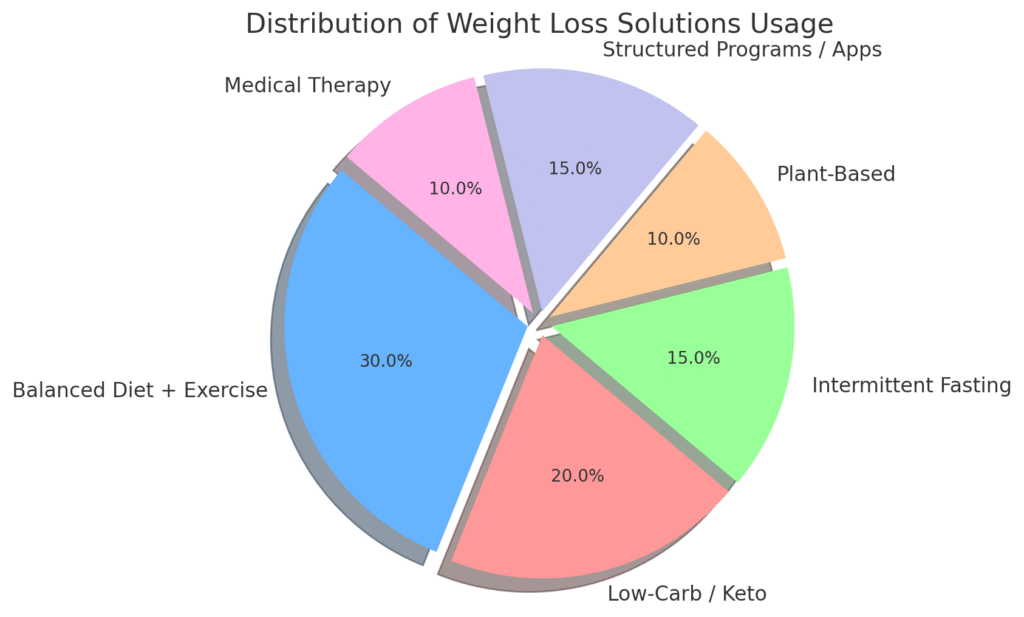
There is no one-size-fits-all solution: studies have found that any diet that creates a calorie deficit can work, as long as you can stick with itpmc.ncbi.nlm.nih.gov. For example, long-term trials found no significant difference in weight loss between low-fat and low-carb diets when calories were equalpmc.ncbi.nlm.nih.gov. Below is a comparison of common approaches:
| Strategy | How it Works | Who It’s For | Considerations |
|---|---|---|---|
| Balanced Diet + Exercise | Moderate calorie reduction + regular workouts. E.g. eat healthy foods, aim for 150+ min of exercise/week (walking, jogging, cycling).cdc.govmayoclinic.org | Most people who want a steady, sustainable plan. | Takes time and consistency; builds habits. |
| Low-Carb / Keto | Very low carb, high fat/protein to induce ketosis. Cuts out many carbs (bread, pasta). | Those who tolerate fats and like meat/dairy. | Can cause initial rapid loss; may be hard long-term. Nutrient deficiencies possiblepmc.ncbi.nlm.nih.gov. |
| Intermittent Fasting | Restrict eating to a time window (e.g. 16 hrs fasting, 8 hrs eating). Reduces total intake. | People who prefer simple rules (skip breakfast, etc.) | Works if you don’t overeat during eating window; similar weight loss to other dietspmc.ncbi.nlm.nih.gov. |
| Plant-Based (Vegan/Vegetarian) | Emphasize fruits, vegetables, whole grains; minimal animal products. High fiber, low calories. | Those who prefer meatless meals. | Very filling and nutritious; watch protein/vitamin B12 sources. |
| Structured Programs / Apps | Use tracking apps (like Noom) or programs (Weight Watchers) for accountability. | Busy folks who need guidance and reminders. | Requires logging food/activity and possible fees. Success depends on consistencynoom.com. |
| Medical Therapy (GLP-1 drugs) | Prescription drugs (e.g. semaglutide) that reduce appetite and increase satiety. | Adults with obesity working closely with a doctor. | Highly effective (10–15% weight loss), but work best with lifestyle changesnoom.com. Cost and side effects should be considered. |
Key Insights for Sustainable Weight Loss
1. Build a Healthy Plate: The simplest way to reduce calories is to fill up on low-energy-density foods. As Harvard experts explain, aim to make half your plate vegetables and fruits, a quarter whole grains, and a quarter lean proteinhealth.harvard.edu. High-fiber foods (veg, fruits, beans, whole grains) keep you full on fewer caloriesmayoclinic.org.
A balanced salad bowl with greens, lean protein (eggs, chicken, beans) and healthy fats exemplifies a weight-loss-friendly meal. Harvard’s “healthy plate” model suggests filling half your plate with produce and using healthy oils like olive oil in moderationhealth.harvard.edumayoclinic.org. Planning meals ahead makes this easier on busy days. For instance, prepping veggies and cooking grains in advance ensures you have nutritious options readyhealth.harvard.edu.
2. Prioritize Protein and Fiber: Protein and fiber both boost satiety. Recent trends emphasize protein’s role: it preserves muscle during weight loss and keeps energy steadynoom.com. Likewise, fiber-rich foods (vegetables, fruits, legumes) fill you up. For example, aim for 4+ servings of vegetables and 3+ of fruit daily as Mayo Clinic suggestsmayoclinic.org. Snacking on cut veggies or fruit between meals can curb overeating. Also include some healthy fats (nuts, avocados, olive oil) but in modest amounts, since fats are calorie-densemayoclinic.org.
You can Try more tips
3. Move More, Every Day: Exercise burns extra calories and boosts health. The CDC and Mayo Clinic recommend at least 150 minutes of moderate aerobic activity per week (like brisk walking)cdc.govmayoclinic.org. Even short bouts add up: take stairs, park farther away, or stand while on calls. Strength training 2× a week (weights, bands, bodyweight) preserves muscle, which helps metabolism. Remember: staying active also lifts mood and helps sleepmayoclinic.org. If time is tight, aim for brisk walks or active breaks during work (e.g. walk during lunch)mayoclinic.org.
4. Set Realistic Goals: Break your journey into small steps. Aiming for 1–2 lb per week (about a 500–750 calorie daily deficit) is a safe long-term goalmayoclinic.org. Celebrate milestones like a 5% weight loss, which already lowers risks of diabetes and heart diseasemayoclinic.orgcdc.gov. Use action goals (e.g. “walk 30 min daily”) rather than only outcome goals (e.g. “lose 10 lbs”)mayoclinic.org. Track progress with a journal or app to stay accountable. The CDC even suggests writing down what you eat, how active you are, and how much you sleep each daycdc.gov.
That not finished yet
5. Mind Your Mindset: Weight loss is a marathon, not a sprint. Start by understanding your why: whether it’s more energy, better health, or confidence, keep that reason visible. The Mayo Clinic advises listing your motivations and potential barriers (stress, emotional eating) so you can plan around themmayoclinic.orgmayoclinic.org. Expect setbacks: if you slip up, recommit the next day rather than giving upmayoclinic.org. Build a support network – friends, family or online groups – who encourage healthy habits and never shame you for slip-ups. If public accountability isn’t your style, use private tools: an app or a notebook to log meals and feelings.
6. Sleep and Stress Count: Don’t overlook rest. Chronic sleep loss can ramp up appetite. In one landmark study, sleeping 5 hours instead of 8 increased the “hunger hormone” ghrelin by ~15% and cut the “fullness hormone” leptin by ~15%med.stanford.edu. Aim for 7–9 hours per night to help balance these hormones. Also manage stress: high stress raises cortisol and often leads to overeating. Simple steps – like a consistent bedtime, winding down before sleep, and practicing relaxation (deep breathing, meditation, short walks) – make a difference. The CDC emphasizes that enough sleep and stress management are pillars of a healthy weight strategycdc.gov.
Tools For Weight Loss
7. Use Technology Wisely: Modern tools can help you stay on track. Apps can log food and movement automatically, estimate calories burned, and even analyze your meals from photos. Wearables remind you to move if you’ve been sitting too long. While these tools aren’t magic, they provide instant feedback and motivation. However, balance tech with real life: use an app to learn portion sizes or track habits, but focus on the lifestyle you’re building. As Noom’s experts note, new weight-loss medications and AI tools are emerging, but they deliver the best results when paired with mindful eating and regular activitynoom.com.
Conclusion
Sustainable weight loss is about smart choices, not quick fixes. By focusing on a balanced, calorie-conscious diet, staying active, and addressing lifestyle factors like sleep and stress, you build habits that last. Science shows that there’s no single “perfect” diet for everyonepmc.ncbi.nlm.nih.gov – the best approach is one you can maintain. Start small: swap soda for water, add an extra serving of vegetables, or take a 10-minute walk daily. Over time, these add up to real change.
Ready to get started? Share your weight-loss goals or challenges in the comments below – you’re not alone on this journey! And if you found these tips useful, explore our related articles on healthy meal prep and simple home workouts to keep the momentum going. Together, we can turn these strategies into a healthier lifestyle.
Call-to-Action:
What’s one healthy habit you’ll commit to this week? Let us know below, and don’t forget to subscribe for more tips on nutrition and fitness tailored for busy lives.

